
In a world dominated by technology and mass production, arts and crafts continue to hold a special place in human life. They offer a creative escape, a personal outlet, and a tangible reminder of the value of handmade work. From ancient pottery to modern DIY projects shared on social media, arts and crafts have evolved while remaining rooted in tradition, imagination, and craftsmanship. Today, crafting is more than a hobby—it is a cultural expression, a business opportunity, and a meaningful way to connect with oneself and others.
A Universal Tradition of Making
Arts and crafts have been part of human civilization for thousands of years. Early humans sculpted clay, painted caves, and wove fibers into clothes and baskets. These creations were not only functional—they conveyed identity, values, and beliefs.
Around the world, cultures developed unique crafting techniques:
-
Japanese origami and ceramic artistry
-
African beadwork full of symbolism and detail
-
Native American weaving rich with spiritual meaning
-
European embroidery and lacework representing heritage and social status
Even in today’s globalized society, traditional crafts are preserved as a way to honor history and keep cultural stories alive.
The Emotional Power of Art and Craft
One of the greatest benefits of crafting is how it affects well-being. The process of making something by hand encourages relaxation and mindfulness. Creative activities engage the brain in ways that reduce stress, improve mood, and increase focus.
Psychologists often recommend arts and crafts as therapeutic tools because:
✔ They stimulate the imagination
✔ They offer a break from screen time and digital noise
✔ They foster a sense of accomplishment
✔ They build confidence through learning new skills
Crafting allows people to create something meaningful from simple materials—and that transformation brings joy.
Crafting Builds Community
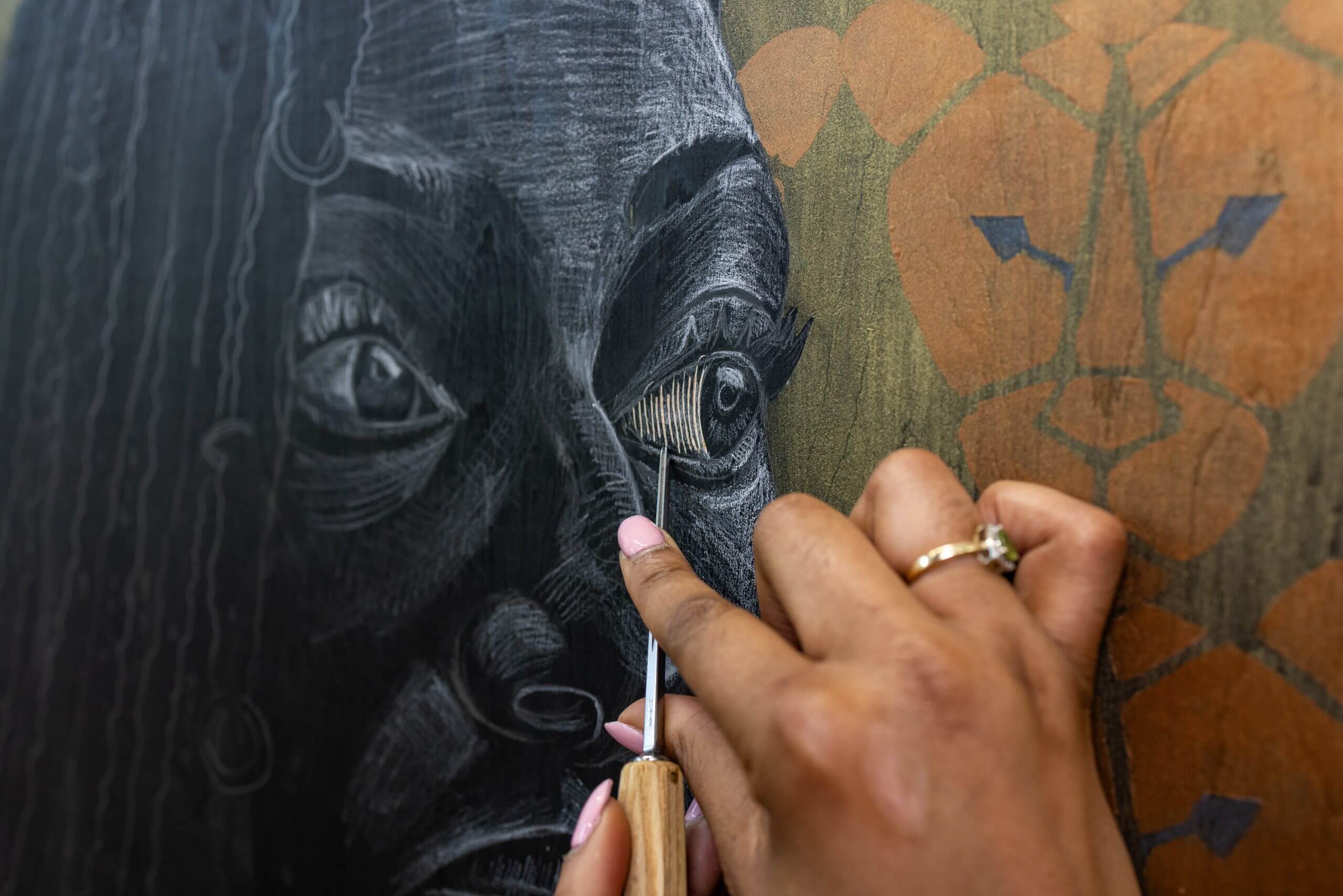
Arts and crafts also bring people together. From quilting circles to painting workshops and local craft fairs, creative activities foster social connection. Sharing skills, exchanging ideas, and collaborating on projects strengthen bonds among families, friends, and neighbors.
Online platforms have expanded this creative community even further. Millions of crafters around the world share their work through:
-
YouTube tutorials
-
DIY blogs
-
Craft marketplaces like Etsy
-
Social media groups and challenges
These virtual spaces encourage learning and inspiration, proving creativity thrives when shared.
Types of Arts and Crafts: Endless Ways to Create
The world of arts and crafts is incredibly diverse. Some popular categories include:
🎨 Painting and drawing — watercolors, acrylics, calligraphy
🧵 Textile crafts — knitting, sewing, embroidery, quilting
🎭 Handmade decorations — wreaths, wall art, personalized gifts
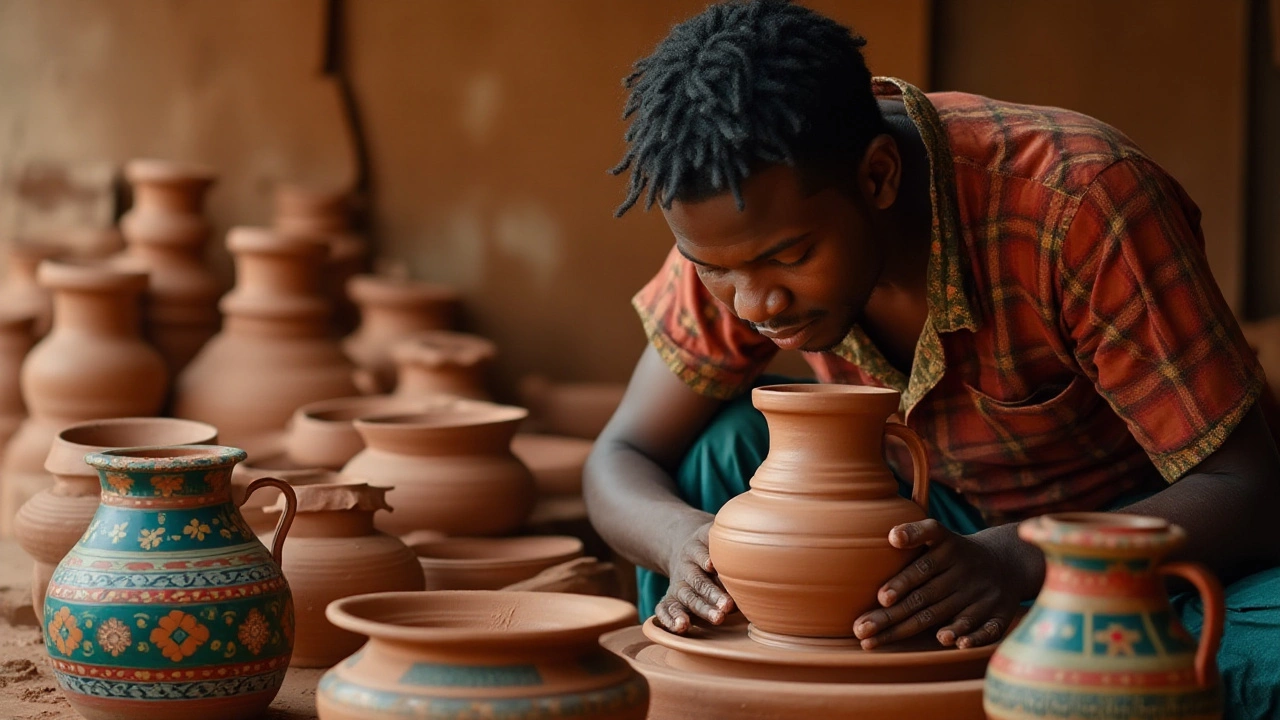
🧱 Sculpting — pottery, clay modeling, carving
📸 Mixed media and scrapbooking — storytelling through materials and memories
🌿 Natural crafts — woodworking, dried flower art, stone painting
🕯️ Crafting with resin, wax, or soap — functional beauty at home
🔧 DIY restoration and upcycling — creative sustainability
Every craft reflects the maker’s personality and style. There is no right or wrong—just exploration and expression.
The Rise of DIY and Eco-Friendly Crafting
In recent years, crafting has taken on a new purpose: sustainability. More people are reusing materials like glass, fabric scraps, paper, and wood to create new functional items. Upcycling not only reduces waste but transforms old objects into something beautiful and unique.
Examples of eco-friendly crafts include:
-
Turning old jeans into tote bags
-
Repainting and refinishing thrifted furniture
-
Creating candle holders from used jars
-
Making jewelry from recycled metals and beads
This movement shows that creativity can make environmental responsibility exciting and accessible.
Arts and Crafts in Education
Crafting plays a significant role in childhood development. When children engage in hands-on art activities, they strengthen essential skills such as:
-
Fine motor coordination
-
Problem-solving
-
Patience and attention to detail
-
Sensory awareness
-
Social interaction during group projects
Schools that prioritize arts education help students become more confident, imaginative, and open to new ideas. Crafting inspires innovation—and the world needs creative thinkers now more than ever.
From Hobby to Business: The Handmade Economy
In addition to being a personal passion, arts and crafts can become a successful career path. The demand for handcrafted goods continues to grow as consumers seek authenticity, quality, and uniqueness in products.
Crafters can turn their skills into income through:
-
Online shops and marketplaces
-
Craft fairs and local events
-
Custom orders for home décor, gifts, and celebrations
-
Teaching workshops or creating tutorials
Many artisans start small—designing jewelry at home, knitting scarves for friends, selling handmade cards—but over time, their creativity can evolve into a thriving business. The handmade industry supports entrepreneurship and empowers individuals to build careers from what they love.
Technology Enhances Crafting, Not Replaces it
While crafts celebrate the handmade, technology has become a useful partner in the creative process. Tools like laser cutters, digital drawing tablets, 3D printers, and design software help artists bring new levels of precision and innovation to their work.
Online communities and courses make learning more accessible than ever. A beginner can watch videos, download patterns, and join skill-building forums—all within minutes.
Technology expands possibilities, but the heart of crafting remains rooted in personal touch.
Mistakes Spark Mastery
Crafting teaches one of life’s most valuable lessons: progress comes from trial and error. A project may require patience, creativity, and problem-solving when things don’t go as planned. Mistakes are part of the journey—and often lead to new techniques and ideas.
Every stitch, brushstroke, or carving builds experience. Over time, confidence grows, skills develop, and projects become more ambitious.
The Future of Arts & Crafts
Looking ahead, arts and crafts will continue to evolve with culture. Some future trends include:
-
Hybrid crafting combining traditional skills with digital tools
-
Personalized products through customization and made-to-order designs
-
Sustainable craft materials that support environmental goals
-
Global collaboration among artists through virtual platforms
As the world becomes increasingly fast-paced and automated, arts and crafts remain an essential reminder of creativity, mindfulness, and human connection.
Conclusion
Arts and crafts celebrate the beauty of human imagination and the magic of making something from nothing. They honor heritage, inspire innovation, and enrich lives through joy, relaxation, and accomplishment. Whether it is a child proudly holding their first painting, or an artisan selling handmade goods worldwide, crafting brings meaning to daily life.
To create is to express who we are. And in every handmade piece, there is a story—one stitched, sculpted, painted, or carved with care.